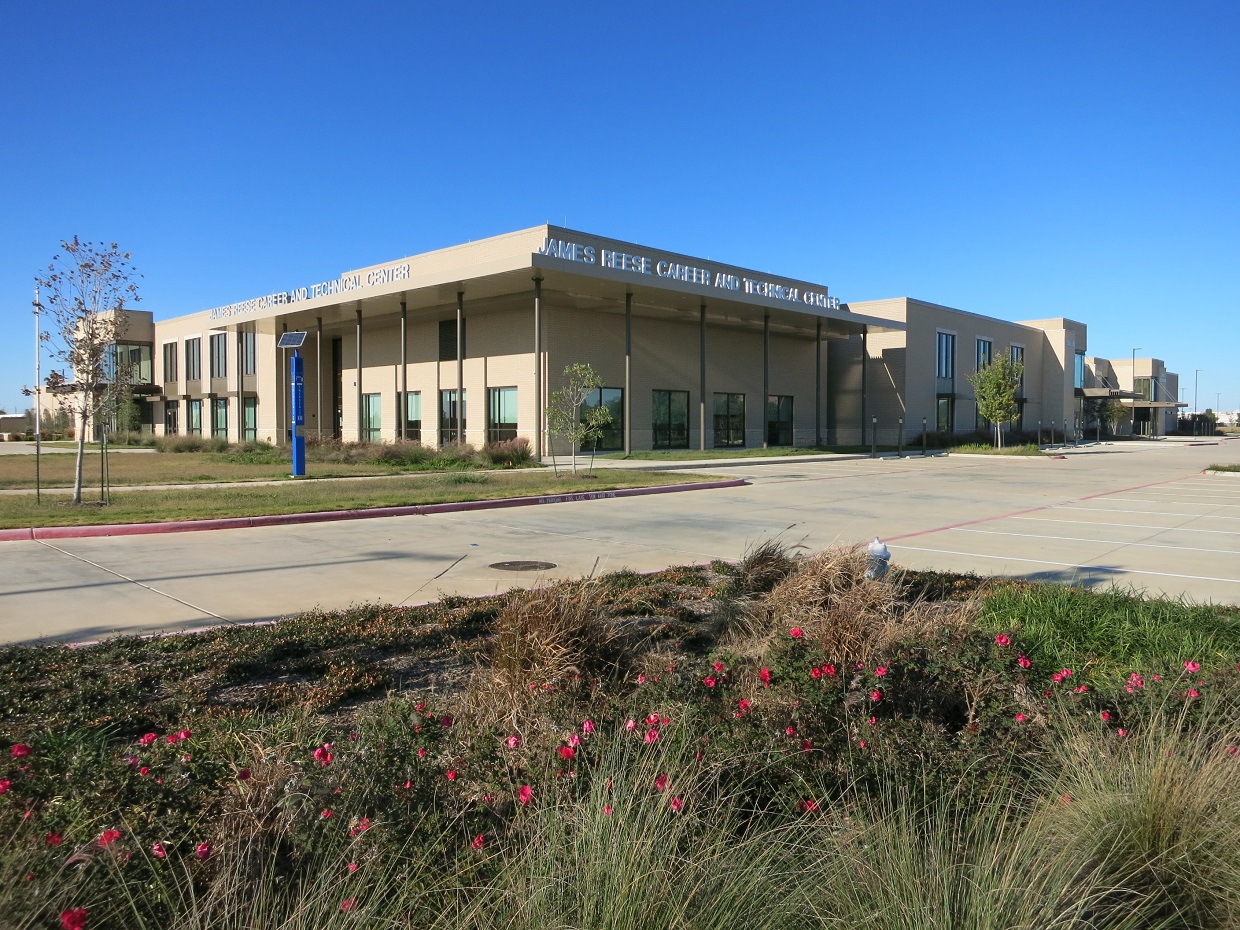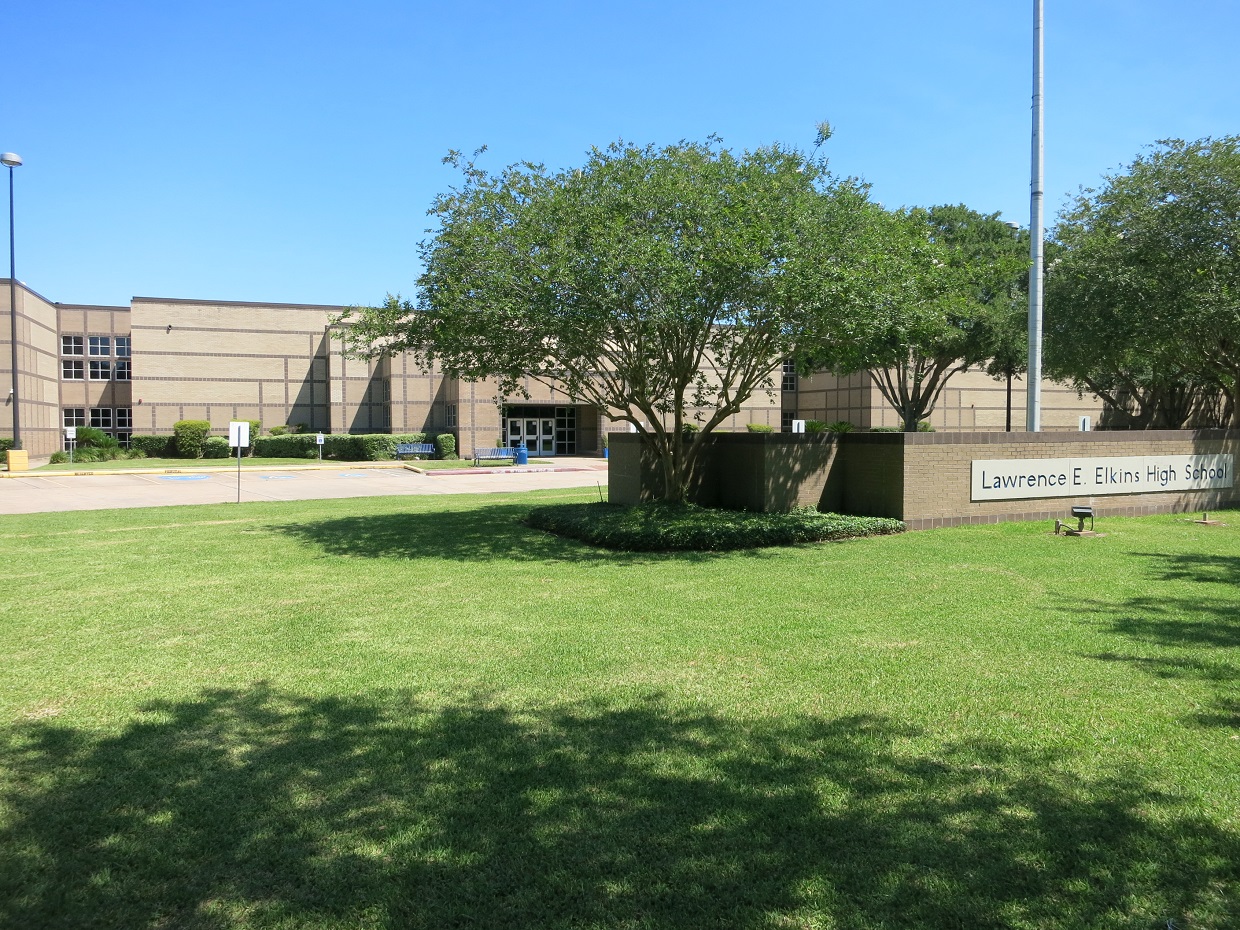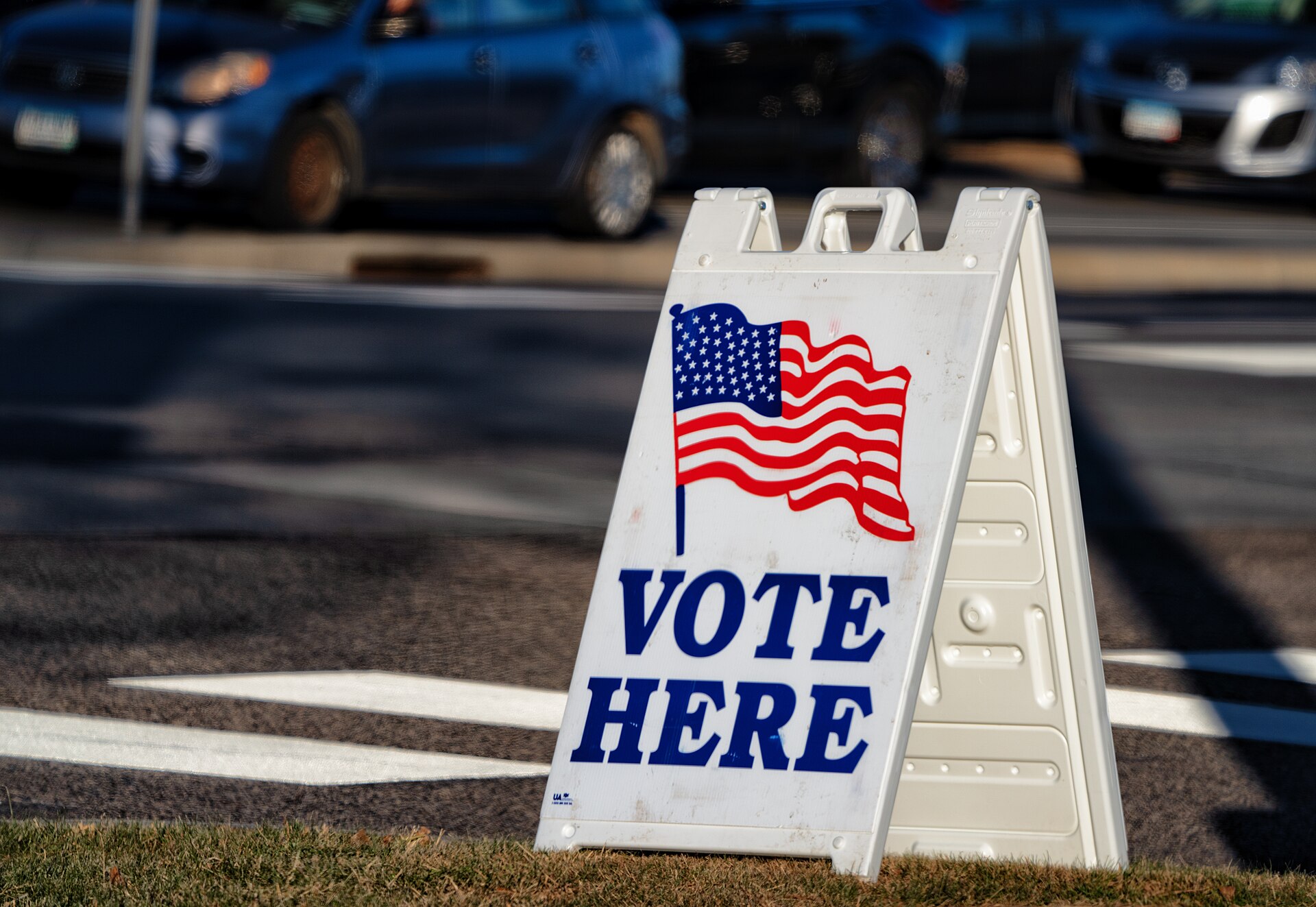
The U.S. Department of Justice sent federal election monitors to Harris County polling locations on Tuesday, Nov. 3, part of what the agency called its largest monitoring effort in history.
Missouri City straddles Harris and Fort Bend counties. Harris County is one of seven Texas counties where the DOJ stationed monitors. Fort Bend County is not on the list.
That means Missouri City residents who cast ballots at Harris County vote centers may see federal monitors outside their polling place. Voters heading to Fort Bend County locations will not.
The DOJ deployed about 1,000 monitors and observers across all 50 states for the first time, according to a department announcement. The Civil Rights Division coordinated the effort. Monitors include personnel from DOJ divisions, U.S. Attorney's Offices and federal observers from the Office of Personnel Management.
In Texas, the DOJ assigned monitors to Bexar, Dallas, Harris, Waller, Blanco, Bowie and Nueces counties.
Assistant Attorney General Harmeet K. Dhillon of the Civil Rights Division said in a statement that election integrity has been "one of the top priorities for this Administration and this Division." She called the deployment "the largest monitoring effort in DOJ history."
What voters should know
Harris County Clerk Teneshia Hudspeth said in a statement, according to Community Impact, that the DOJ has announced election monitoring under both Republican and Democratic administrations during her 21 years of election service.
Monitors were expected to wear plain clothes and stand outside the 100-foot electioneering boundary at voting locations, according to the Harris County Clerk's Office. They may approach voters leaving the polls to ask about their experience.
Voters are not required to speak with them.
Texas law and guidance from the Secretary of State do not permit federal monitors inside polling places, the early voting ballot board or central counting stations, according to the county.
Rob Todd, an election law attorney and professor who has litigated election cases for more than 30 years, told KPRC that voters can decline to engage. "Absolutely, if anybody approaches a voter, you have the right to walk right past them," Todd said.
Todd also said he is concerned about placing law enforcement officials in a role that could make voters uncomfortable.
Concerns from voting-rights groups
Some voting-rights groups, including the NAACP, said they believe the deployment could suppress turnout and disenfranchise voters, particularly from minority groups, USA Today reported.
In states with closely contested Senate races, monitors were assigned to cities and counties with disproportionately high levels of Black and Hispanic residents, according to U.S. Census data cited by USA Today. In Texas, Harris County is about 46% Hispanic.
The DOJ said monitors will check compliance with federal voting-rights statutes, including the Voting Rights Act, the Americans with Disabilities Act (ADA) and laws prohibiting voter intimidation based on race, color, national origin or religion.
Voters with questions or complaints about federal voting rights can call the DOJ's election hotline at 1-800-253-3931 or email [email protected]. Polls close at 7 p.m.