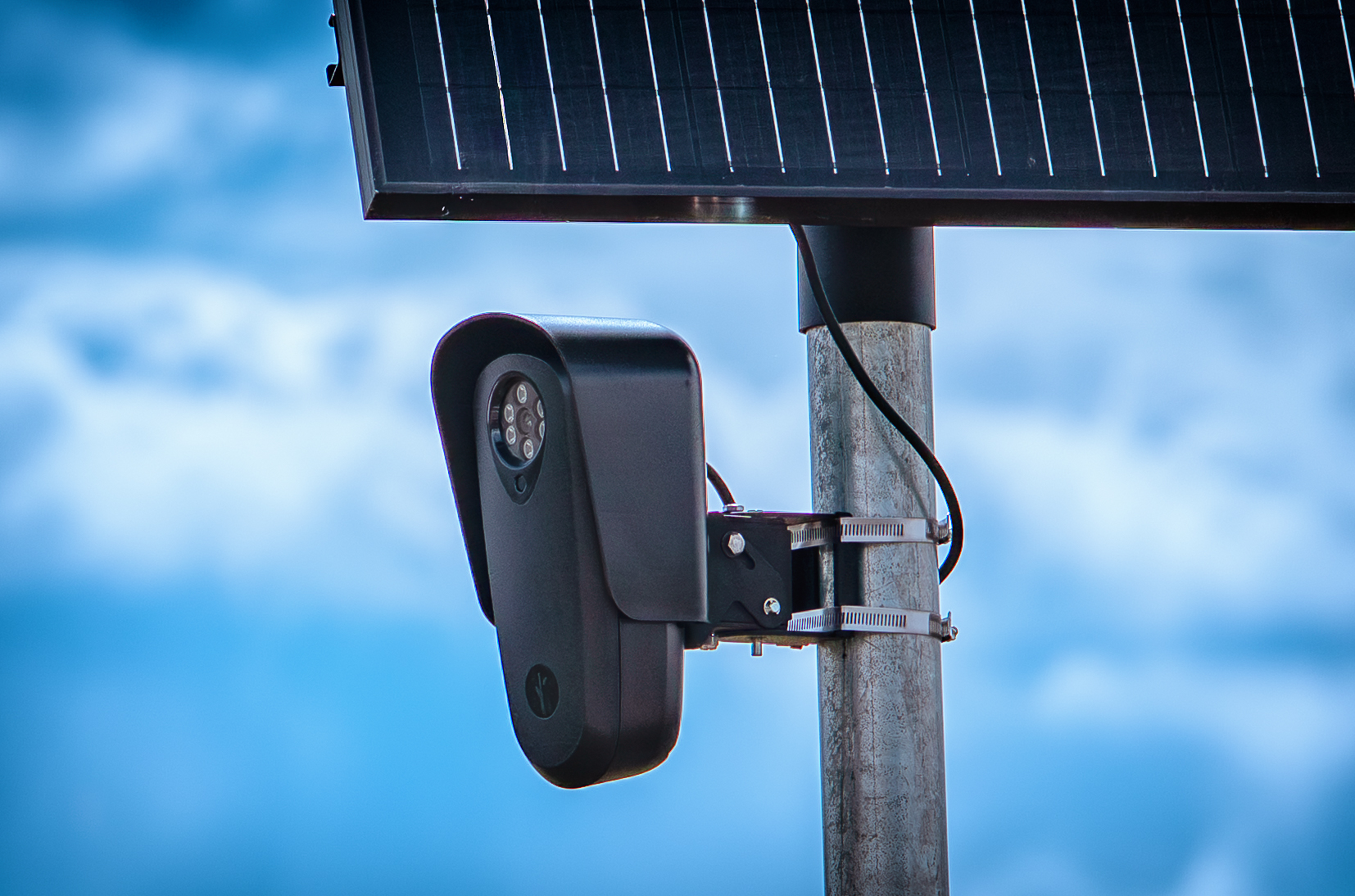
A bill filed in the Texas House would restrict how police departments use Flock cameras and bar them from sharing license plate data with federal agencies, including U.S. Immigration and Customs Enforcement (ICE).
House Bill 763, filed Nov. 9 by state Rep. Mary González, D-Clint, would limit automated license plate reader (ALPR) use to specific purposes such as investigating felonies, locating missing people and recovering stolen vehicles, according to KPRC 2. Both the Missouri City Police Department and Stafford Police Department use Flock cameras, putting local agencies squarely in the bill's crosshairs.
The bill was filed ahead of the 90th Texas Legislature, which convenes Jan. 12, 2027.
What the bill would change
Texas has no statewide law governing how police departments use automated license plate readers, according to KPRC 2. Individual agencies set their own rules.
HB 763 would change that. Under the bill, agencies could use the cameras only for investigating felonies, locating missing people, recovering stolen vehicles and identifying uninsured or unregistered vehicles. Toll collection, parking enforcement and access control at secured areas would also be permitted.
Agencies would be prohibited from sharing captured license plate data with the federal government, including ICE. Sharing with other government agencies would be restricted to purposes the bill specifically authorizes.
Most collected data would have to be destroyed within 48 hours. Exceptions would apply to evidence in criminal proceedings, warrants and certain preservation requests. Agencies would also have to publish their camera-use policies and file annual reports detailing the number of scans conducted and arrests resulting from database searches.
Texans harmed by violations could sue for actual damages or $1,000 in statutory damages, plus court costs and attorney's fees.
Local use of Flock cameras
The Missouri City Police Department says on its website that it uses Flock Safety ALPR cameras to support criminal investigations. The department says the system helps officers develop vehicle-related leads, recover stolen vehicles and locate vehicles connected to missing or endangered persons.
In Stafford, the City Council voted 4-3 on July 15 to pursue a one-year cost-sharing agreement with the East Fort Bend County Development Authority for Flock cameras, according to meeting minutes. Stafford Police Chief Richard Ramirez spoke at that meeting about the previous agreement's history.
The council approved the agreement 4-1 on Aug. 5, with Mayor Pro Tem Wood voting against it, according to meeting minutes. Stafford resident Liza Mendonca spoke at that meeting about Flock camera misuse and security issues. Resident Clint Mendonca cited 50 cases of Flock camera misuse across various agencies.
Broader scrutiny of the technology
The bill follows growing concern across the Houston area about how Flock cameras are used. A KPRC 2 investigation identified at least seven Houston-area officers accused of misusing the Flock system.
League City voters rejected continued use of Flock cameras in the November general election, according to KPRC 2. Harris County commissioners voted in October to establish an oversight group for the technology.
Flock Safety said in an August blog post that it cut its default data retention from 30 days to seven days. The company also introduced offense filtering, which lets cities choose which types of crimes other agencies can search their cameras for, including the option to block immigration enforcement searches.
González filed 42 pieces of legislation on the first day of prefiling, according to Dallas Voice. HB 763 is listed on the Texas Legislature's website with a last action of "Filed" on Nov. 9.