Missouri City and Stafford residents face potential effects on electric bills, water supply and neighborhoods as data centers expand across Texas, according to a KPRC 2 report published Friday, Sept. 11.
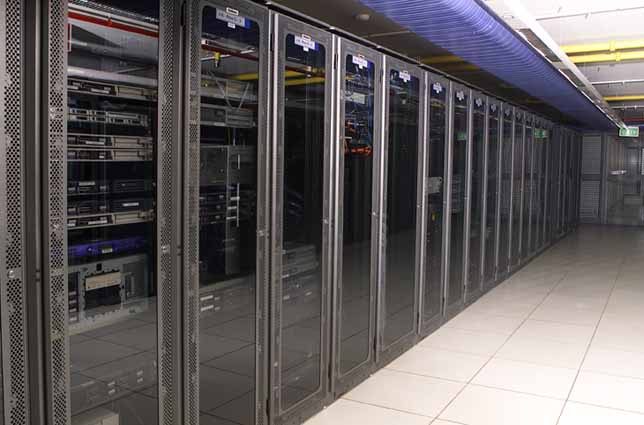
Texas already has more than 300 operating data centers and more than 200 in the works, KPRC 2 reported in a separate investigation. The Pew Research Center found Texas trails only Virginia in total data center count. The Data Center Coalition projects Texas will become the world's largest data center market within four years, Houston Public Media reported in June.
An Emerson College poll from Aug. 13 found 60% of Texas voters oppose data centers being built in or near their community. Separately, University of Houston researcher Soran Mohtadi found 63% of Houston-area residents opposed having one within a mile of their home, even as many reported regular AI use.
Electric bills: No clear answer yet
Whether data centers will raise household electric costs depends on how the facilities connect to the grid, according to Matthew Boms, executive director of the Texas Advanced Energy Business Alliance. Boms described Texas as entering an unprecedented period of growth in electricity demand.
The scale of that demand is enormous. University of Houston associate professor Harish Krishnamoorthy said current peak demand sits around 91 gigawatts. Requests in the ERCOT system total roughly 470 gigawatts, according to ERCOT testimony before the Texas Senate on July 29. Not all those requests will become real projects, but ERCOT estimates about 90% come from data centers.
The Public Utility Commission of Texas (PUCT) is weighing whether large electricity users, including data centers, should pay their share of transmission costs. Those costs, when passed to customers, appear in the transmission and distribution portion of electric bills.
Water: A complicated patchwork
Some data centers use millions of gallons of water for cooling, pulling from municipal systems or wells. Newer facilities increasingly use closed-loop systems that consume far less local water.
Erin Kinney of the Houston Advanced Research Center said water regulation varies widely by location and water source, creating what she called a complicated patchwork of rules. The impact, she said, will be felt locally.
"Communities often become frustrated when they feel a project was planned or approved without enough opportunity to ask questions or participate in the process," Kinney said during the KPRC 2 discussion.
State action: Audit and pause
Gov. Greg Abbott on Aug. 3 ordered ERCOT and the PUCT to audit all data centers seeking grid connections. New large data centers of 75 megawatts or more cannot connect until the audit is complete. Medium-sized facilities of 25 to 75 megawatts must complete a survey on water, energy and community impacts. Small facilities under 25 megawatts are not covered, KERA News reported.
One megawatt can power about 250 Texas homes during peak demand, according to ERCOT.
ERCOT expects to finish the audit of roughly 300 planned data centers by Dec. 10, according to Data Center Dynamics. Abbott has said the guidelines he set will become law during the Texas 90th legislative session, which begins Jan. 12, 2027.
Where to take concerns
No single agency oversees every data center issue. KPRC 2 published a companion guide breaking down where to direct specific complaints:
- Noise: Contact your city's code enforcement office or local police non-emergency line. The Texas Commission on Environmental Quality (TCEQ) says noise falls outside its permitting authority.
- Water pollution or environmental concerns: Call TCEQ's Environmental Complaint Hotline at 888-777-3186 or file online. For groundwater, contact your local Groundwater Conservation District.
- Electric bill or service issues: Start with your retail electric provider. If unresolved, call the PUCT Consumer Assistance Hotline at 888-782-8477.
- Zoning or land use: Contact your city planning department, county engineering department or county commissioners court.
No specific data center proposals have been confirmed as pending before the Missouri City or Stafford city councils. Residents can check meeting agendas at missouricitytx.gov and staffordtx.gov.