Fort Bend ISD faces deeper enrollment and funding losses if Texas lawmakers double the state's school voucher program.
The Texas Comptroller's Office is asking legislators to allocate more than $2 billion for the Texas Education Freedom Accounts (TEFA) program for the 2028-29 budget cycle, Community Impact first reported. That would double the $1 billion the Legislature approved in 2025 when it created the program under Senate Bill 2. Comptroller Don Huffines has said he is committed to growing the program.
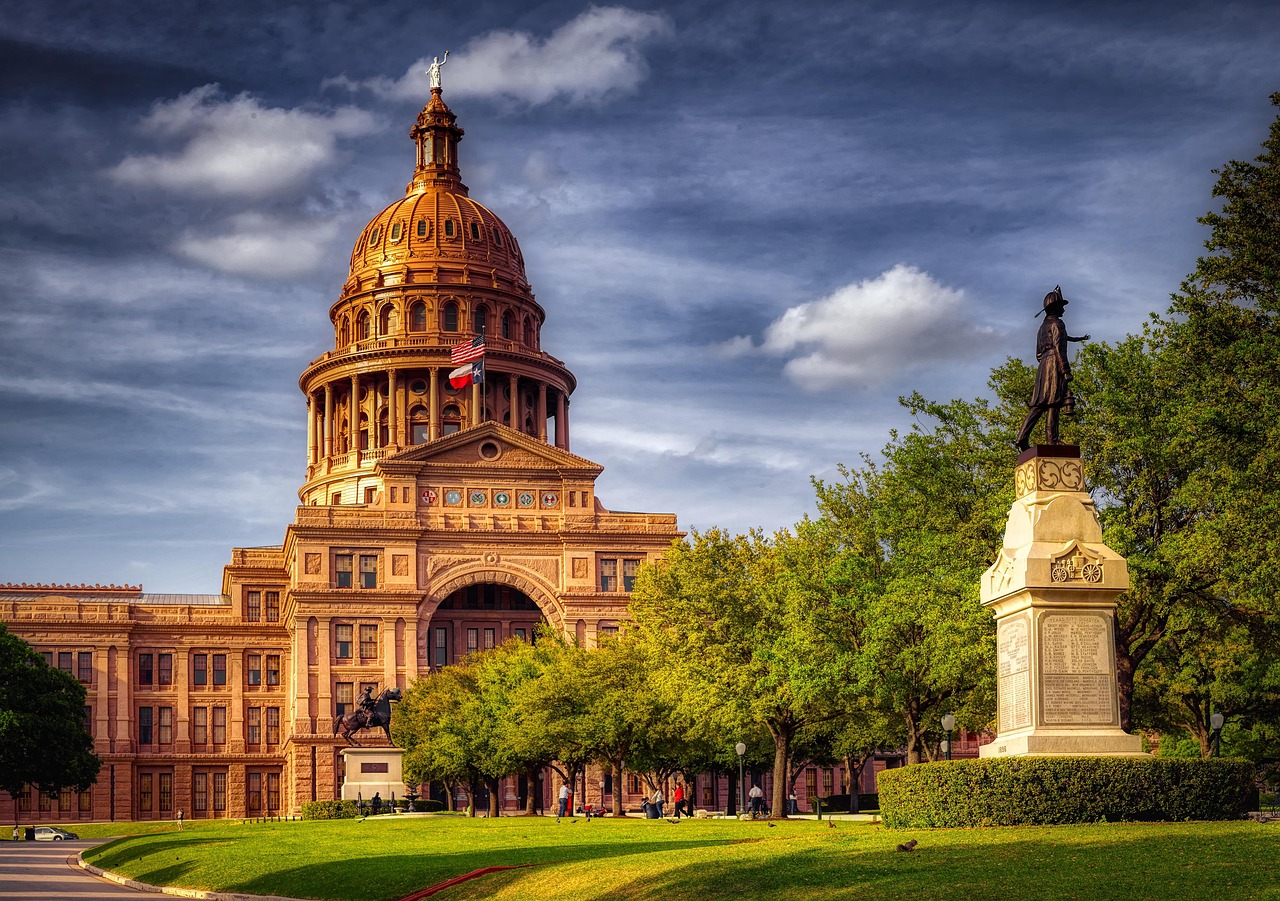
The request was presented at a Wednesday, Sept. 9 Legislative Budget Board hearing at the Texas Capitol.
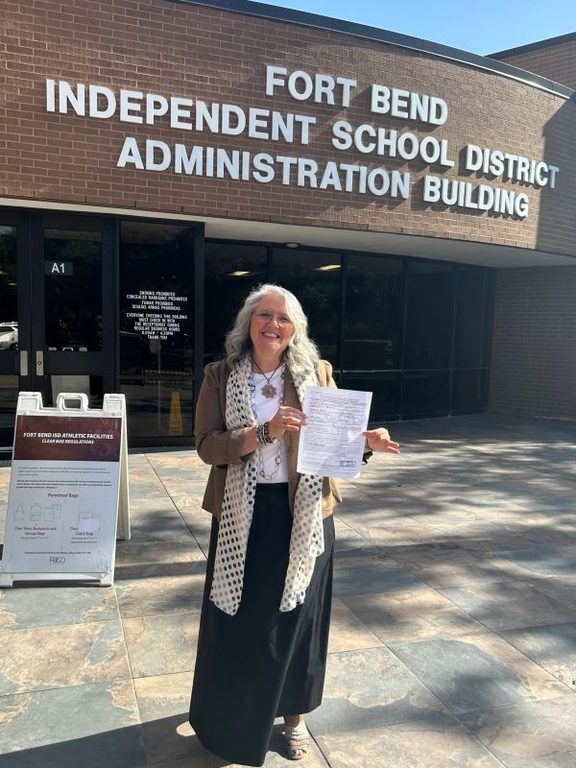
Fort Bend ISD faces a projected $7.8 million to nearly $12 million loss from the program's first year, according to Jaretha Jordan, the district's deputy superintendent of teaching and learning, as Community Impact reported. The district saw 8,429 students apply for TEFA accounts for the 2026-27 school year, the third-highest total in the state. Fort Bend ISD expects to lose 700 to 1,100 students.
Kelly Schlacks, the district's executive director of finance, said Aug. 10 that the district would not know the full enrollment picture until mid- to late-September, after no-shows are dropped and post-Labor Day numbers stabilize. No comparable data for Stafford Municipal School District has been released.
Who the program serves
TEFA gives families state dollars for private school tuition or homeschooling expenses. Students with disabilities and children from low-income households get priority.
Eighty percent of participants come from low-income families. About 24% have a documented disability. Private school students receive $10,474 each, homeschool families get up to $2,000 per child, and students with disabilities can receive up to $30,000.
An official fact sheet from the comptroller's office shows 118,441 students had been awarded accounts as of Aug. 10. About 70% of participants had been enrolled in private school or were homeschooled before joining the program. The other 30% had been enrolled in Texas public schools.
The waitlist problem
More than 106,000 students remain on the waitlist, according to the comptroller's appropriations request. Funding them would cost roughly $980 million per year. Another 44,000 families have expressed interest in applying for the 2027-28 school year.
Travis Pillow, a TEFA program spokesperson, told legislators at the Wednesday, Sept. 9 hearing that it is "the longest school choice waitlist in the country," according to Houston Public Media.
Even the $2 billion request would not cover everyone waiting. If lawmakers wanted to fund all waitlisted and interested families, the price tag would reach nearly $4 billion for the 2027-28 and 2028-29 school years.
Concerns about access
Dee Carney, director of the Texas Center for Voucher Transparency, an independent watchdog group, told legislators that lawmakers need to evaluate whether the program is delivering results before committing billions more, Houston Public Media reported.
Steven Aleman, a policy specialist with Disability Rights Texans, raised concerns at the same hearing about families with disabled children struggling to find private schools that will accept them or provide special education services. Some families have returned their TEFA money because they could not find suitable options, Aleman said.
What comes next
The comptroller's office said at the Wednesday, Sept. 9 hearing that a new TEFA application window would be announced in the weeks following the hearing. The Legislature will take up the funding request during the 2027 session. Gov. Greg Abbott exempted TEFA from the 3% budget cuts he directed most state agencies to make for the 2028-29 cycle.