Student-athletes at Ridge Point, Elkins, Marshall and Stafford practice under stricter heat protections after the University Interscholastic League (UIL) made Wet Bulb Globe Temperature monitoring mandatory for all Texas schools.
The rule took effect Aug. 1 and applies to every outdoor practice, workout and marching band rehearsal in the 2026-27 school year. Schools must check WBGT readings within 15 minutes before any outdoor session begins, Covering Katy reported. When conditions reach elevated levels, readings must be taken every 30 minutes during practice.
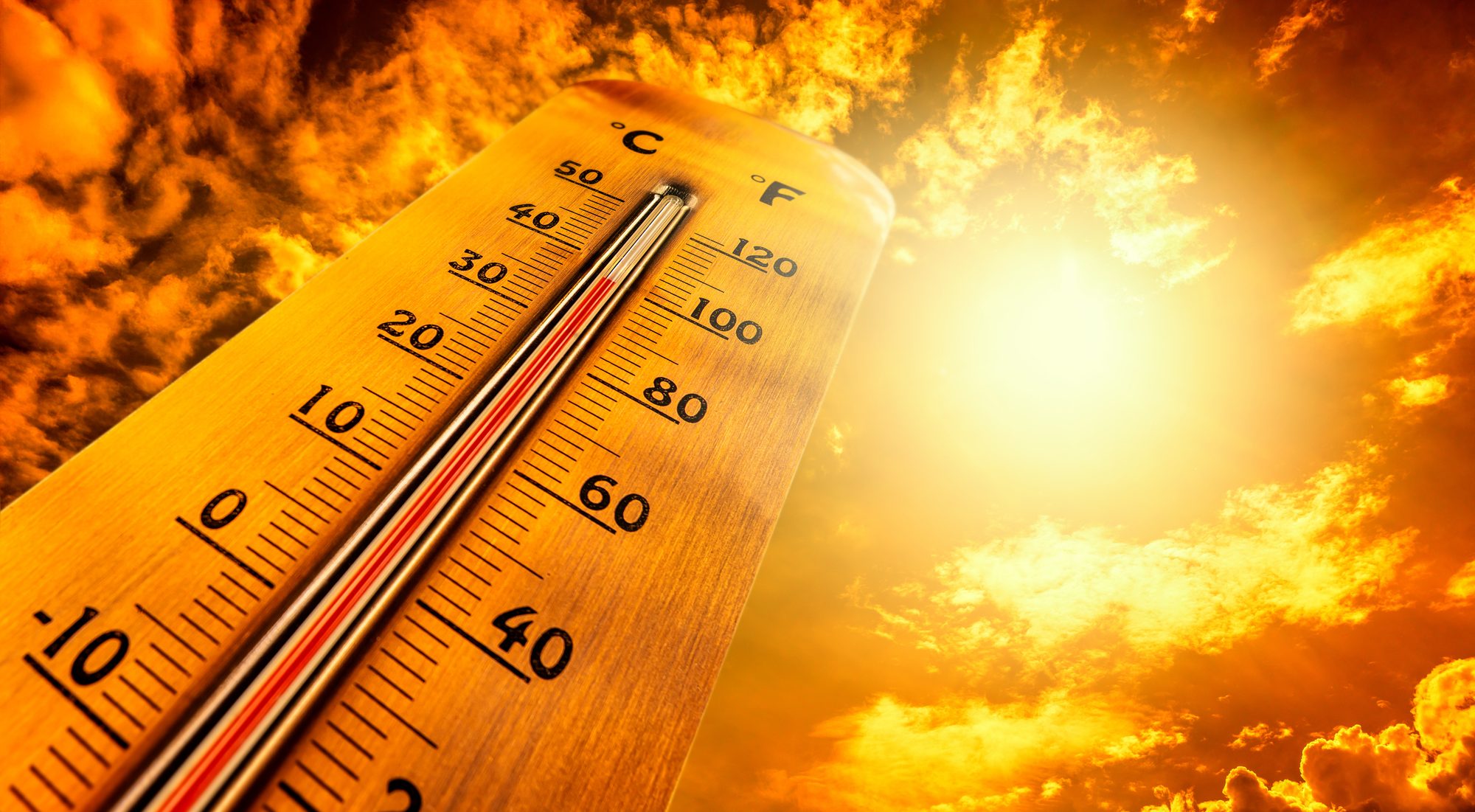
WBGT goes beyond a standard thermometer. The measurement accounts for humidity, sunlight and wind to gauge how stressful conditions are on the body. The U.S. military developed it in the 1950s after heat illness outbreaks during training, and it is considered the gold standard for protecting athletes, according to KPRC 2.
The UIL had recommended WBGT monitoring since 2023. After two years of voluntary use, the UIL Medical Advisory Committee recommended making it mandatory, and the Legislative Council approved the change, according to the UIL's heat plan.
What the flag levels mean
The UIL uses five color-coded flag levels: Green, Yellow, Orange, Red and Black. Houston-area schools, classified as Class 3, begin required activity modifications at a WBGT of 82.0°F.
At the Orange level (87.0–90.0°F), outdoor practice is capped at two hours with at least four rest breaks per hour. Football players are restricted to helmet, shoulder pads and shorts.
At the Red level (90.1–92.0°F), practice drops to one hour maximum, including a mandatory 20-minute rest break. That leaves roughly 40 minutes of actual practice time. No protective equipment is allowed, and no conditioning drills can take place.
At the Black level (92.1°F or above), all outdoor activity stops. Practice must be delayed until the reading drops.
Rapid cooling zones with cold-water immersion tubs or ice-and-water tarps must be available at any outdoor session held at 82°F WBGT or higher.
Games handled differently
The mandatory practice limits do not automatically apply to games and competitions. However, any contest played at 82°F WBGT or higher must have a rapid cooling zone on site. The UIL recommends adding hydration breaks, moving start times or rescheduling contests in extreme conditions.
Some schools shifted practice times to 6 a.m. or 6 p.m. to avoid peak heat, KPRC 2 reported. Coaches indicated they would move practice indoors on high or extreme WBGT days.
Local physician weighs in
Dr. Nish Shah, a board-certified primary care sports medicine physician at Houston Methodist Sugar Land Hospital, said preparation matters as much as the rules themselves.
"Heat safety starts long before an athlete steps onto the field," Shah told Fort Bend Focus. "Proper hydration, adequate nutrition, sufficient rest and gradual acclimation to the heat all play an important role in helping young athletes perform safely throughout the season."
The UIL describes exertional heat stroke as the leading cause of preventable death in high school athletics, Covering Katy reported. Symptoms of heat exhaustion include fatigue, nausea, dizziness, muscle cramps, vomiting and confusion. Without prompt treatment, heat exhaustion can progress to heat stroke.
Fort Bend ISD Athletics reminded Ridge Point, Elkins and Marshall student-athletes in July to complete the UIL eligibility form before participating in any fall sport. Fall practices across all four schools began in August.